How Toxic Is Your Cookware? The Healthiest & Safest Options

Cooking at home is one of the most powerful ways to support health. We carefully choose organic foods, filter our water, and read ingredient labels — yet many people overlook one everyday exposure that affects nearly every meal: our cookware. In this second post in our Healthy Home Series, we break down the good, the bad, and the best choices for safe cooking at home.

Pots and pans sit directly between heat and food. When heated repeatedly, cookware materials can interact with what we eat through chemical transfer, surface breakdown, or metal leaching. The goal isn’t fear or perfection — it’s understanding which materials are safest for long-term daily use and how small kitchen upgrades can reduce unnecessary toxin exposure.

In this Health at Home article, we’ll explore:

  • Aluminum exposure
  • Non-stick coatings and PFAS (“forever chemicals”)
  • Cast iron and oxidative iron overload
  • Stainless steel cookware safety
  • Safer alternatives like Caraway and Our Place cookware

Why Cookware Matters for Your Health

Heat accelerates chemical reactions. Over time, repeated cooking can cause microscopic particles or metals to transfer from cookware into food — especially when pans are scratched, overheated, or used with acidic ingredients.

Health concerns today focus less on single exposures and more on chronic low-level exposure, meaning tiny amounts accumulated daily over years.

Factors that influence cookware safety include:

  • Cooking temperature
  • Acidity of foods (tomatoes, citrus, vinegar)
  • Surface wear and scratching
  • Material quality

Understanding these variables allows you to reduce exposure without overhauling your kitchen overnight.

Aluminum Cookware: Convenient but Reactive

Aluminum cookware became popular because it is lightweight, inexpensive, and an excellent heat conductor. However, aluminum is also a reactive metal.

How Aluminum Exposure Happens

Uncoated or worn aluminum pans can release small amounts of metal into food, particularly when cooking acidic dishes such as tomato sauces or lemon-based recipes.

Most modern aluminum cookware is anodized or coated to limit this interaction, but risks increase when:

  • coatings wear down
  • surfaces are scratched
  • lower-quality manufacturing is involved

Why Aluminum May Matter

Aluminum is not an essential nutrient for the body. Research continues to examine how excess exposure may contribute to oxidative stress and cellular irritation.

Reducing daily, long-term exposure is a reasonable precaution — especially when safer alternatives exist.

Non-Stick Cookware and PFAS (“Forever Chemicals”)

Non-stick pans transformed cooking by making cleanup easier and reducing the need for oils. Traditional non-stick coatings often belong to a class of chemicals known as PFAS (per- and polyfluoroalkyl substances – say that three times fast 🙂).

What Are PFAS?

PFAS are synthetic compounds designed to resist heat, water, and sticking. They are commonly called “forever chemicals” because they break down very slowly in the environment and the human body. Most classic non-stick pans use PTFE-based coatings within this chemical family.

Potential Health Concerns

Research suggests PFAS exposure may be associated with:

  • immune system effects
  • hormonal disruption
  • metabolic changes
  • environmental accumulation

Risk depends on dose and duration, but cookware can become a source of exposure when coatings degrade. Scratched non-stick surfaces may release microscopic particles into food, and overheating empty pans can release airborne fumes.

Safer Ways to Use Non-Stick Cookware

If you currently use non-stick cookware:

  • avoid high heat
  • never preheat an empty pan
  • use wooden or silicone utensils
  • replace pans once scratched or peeling

Many households now choose PFAS-free alternatives to minimize exposure altogether. Let’s take a look at the options.

Cast Iron: Natural but Not Ideal

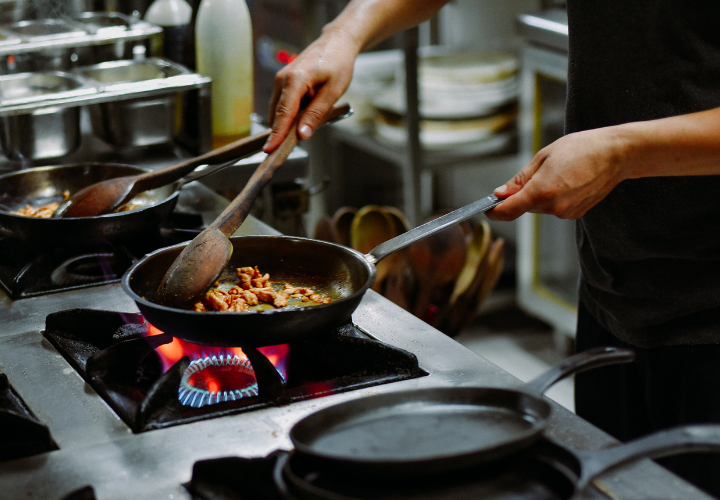
Cast iron cookware is often viewed as the healthiest option because it contains no synthetic coating. It is durable, versatile, and naturally non-stick when properly seasoned. However, cast iron introduces another variable: iron transfer into food.

Iron Leaching During Cooking

When cast iron cookware is heated, iron transfers into food during cooking. The type of iron introduced through cookware is not the same as obtaining iron through nutrient-dense foods such as red meat, shellfish, or liver, where iron is naturally packaged alongside supportive cofactors for absorption and utilization.

Heating iron at high temperatures may create unstable, reactive forms of iron that can contribute to oxidative stress in the body. Iron is also considered a pro-oxidant, meaning excess free iron can fuel inflammatory processes and cellular damage when present beyond the body’s needs. This concern becomes especially relevant when cast iron is used daily or for acidic foods, which dramatically increase iron transfer.

Why We Recommend Caution with Cast Iron Cooking

At MyHealth1st, we routinely monitor iron biomarkers including serum ferritin, serum iron, and CBC markers because iron balance matters. Both iron deficiency and iron overload have been associated with health concerns, which is why we believe iron levels should be assessed and managed intentionally rather than left to chance. 

Instead of relying on variable (and oxidized) iron exposure from cast iron cookware, our preference is to optimize iron intentionally through:

  • Iron-rich whole foods with naturally bioavailable forms of iron
  • Targeted supplementation when clinically appropriate

This allows us to personalize care based on lab data rather than relying on an uncontrolled environmental source of iron.

Stainless Steel: Durable and Generally Safe

Stainless steel cookware is widely considered one of the most stable and versatile cooking materials. It is made from an alloy of metals — typically iron combined with chromium and nickel — designed to resist corrosion and chemical reactions.

Benefits of Stainless Steel

High-quality stainless steel cookware offers:

  • excellent durability
  • resistance to scratching
  • stability at high temperatures
  • no chemical coatings

Unlike non-stick surfaces, stainless steel does not degrade easily with normal cooking.

Does Stainless Steel Leach Metals?

Small amounts of nickel and chromium can transfer into food, particularly when cooking acidic dishes for long periods. For most people, these amounts are considered minimal and well within safety limits. However, individuals with nickel sensitivity or allergy may notice irritation or prefer alternative materials.

Best Uses for Stainless Steel

Stainless steel excels at:

  • sautéing and browning
  • high-heat cooking
  • sauces and reductions
  • cooking proteins

Because it lacks a non-stick coating, it works best when preheated properly and used with a small amount of oil or fat. Overall, stainless steel is often viewed as a reliable everyday workhorse in a low-toxin kitchen.

The Rise of Safer Cookware Materials

As awareness grows, cookware companies are developing options designed to minimize chemical exposure while maintaining performance.

Why We Recommend Ceramic Cookware

Modern safer cookware focuses on:

  • ceramic-based non-stick coatings
  • PFAS-free materials
  • stable performance at higher temperatures
  • reduced metal leaching

Two brands frequently recommended in wellness-focused kitchens are Caraway and Our Place.

Why We Like Caraway Cookware

Caraway Cookware uses a ceramic coating free from PTFE, PFOA, and other PFAS chemicals. The design prioritizes both performance and reduced chemical exposure.

Key features include:

  • PFAS-free ceramic non-stick surface
  • Even heat distribution
  • Oven-safe construction
  • Storage system to prevent scratching
  • Designed without heavy metals

For families replacing older cookware, a full set simplifies the transition to safer materials.

Our Place – A Versatile Everyday Option

The Always Pan is designed as a multifunction cooking tool that can sauté, steam, simmer, and braise — reducing the number of pans needed in a kitchen.

Why many households like it:

  • Ceramic-coated cooking surface
  • PFAS-free construction
  • Lower oil cooking
  • Space-saving design
  • Ideal for everyday meals

It’s especially useful for smaller kitchens or anyone seeking a minimalist cookware setup.

How to Reduce Toxic Exposure From Cookware

You don’t need to replace everything at once. Focus on the highest-impact changes first.

  • Replace Damaged Non-Stick Pans – Scratched coatings present the greatest exposure risk.
  • Avoid High Heat with Coated Cookware – Medium heat preserves surfaces and limits breakdown.
  • Use Different Materials Strategically
    • Ceramic → everyday cooking
    • Stainless steel → high heat searing
  • Think Long-Term, Not Perfect – Health risks often come from repeated exposure over decades rather than single uses so it is never too late to make a change and reap benefits down the road.

The Bigger Wellness Picture

Cookware is one part of a broader environmental health approach that also includes:

  • water quality
  • indoor air exposure
  • food sourcing
  • personal care products

Each small improvement reduces cumulative stress on the body and supports resilience over time.

Healthy living at home isn’t about eliminating every risk — it’s about creating an environment that consistently supports your biology.

Final Thoughts: Progress Over Perfection

Modern research is helping us rethink everyday exposures that previous generations rarely considered. While traditional cookware served its purpose, newer materials allow us to reduce unnecessary chemical contact without sacrificing convenience.

A simple hierarchy looks like this:

Higher concern (especially when damaged):

  • Older PFAS non-stick cookware
  • Cast iron (especially those with known iron overload)

Situational use:

  • Aluminum cookware

Generally safe everyday options:

  • Stainless steel cookware
  • PFAS-free ceramic cookware such as Caraway and Our Place

Your kitchen quietly influences your health every day. The water you drink, the food you prepare, and even the pans you cook will contribute to long-term wellness.

Small, informed changes today can support healthier living at home for years to come. Let us help you improve your cookware, your home, and your health. Schedule a Kickstart consultation today!

Facebook
Twitter
LinkedIn
Pinterest
Picture of Jane Bowser, Ed.D

Jane Bowser, Ed.D

Dr. Jane Bowser is a certified health coach, nutritionist, and personal trainer, blending academic expertise with a passion for holistic wellness.