



Every January, millions of people set bold health goals: lose 20 pounds, work out five days a week, cut out sugar, wake up at 5:00 a.m., drink a gallon of water, train for a half marathon.
And yet, by March 1… most of it is gone.
The gym visits taper off. The meal prep containers disappear. The alarm clock gets snoozed. Motivation fades and we are either right back where we start from or even worse as now, we also feel like a failure.
If you’ve ever experienced this (and most of us have), you’re not lazy. You’re human. The real issue isn’t willpower — it’s strategy.
Let’s take a deeper look at why most health goals fail by March 1 — and how to fix things in a way that actually lasts.
These are outcome-based goals. They focus on a distant result rather than the daily behaviors that create that result.
The problem? Outcomes are delayed. You can work hard for weeks and not see the scale move. You must wait for three months to see if your labs improve. If visible progress slows, motivation drops. If you must wait too long, you begin to feel impatient. The goal starts to feel far away and discouraging.
Identity-based goals are different. They shift the focus from what you want to achieve to who you want to become.
Instead of:
Try:
When your behaviors reinforce your identity, consistency becomes easier. You don’t work out to lose weight — you work out because that’s what a healthy person does – because that is what YOU do.
January 1 often looks like a total lifestyle overhaul:
That’s not a habit shift — that’s a system shock.
Your brain and nervous system crave stability. Massive change requires massive decision-making energy. By late February if not sooner, mental fatigue sets in. The plan that felt empowering in week one feels exhausting by week eight.
Research consistently shows that sustainable behavior change works best when it’s incremental. Small, repeated actions create neurological patterns and are the preferred method of mental health professionals for creating change. Dramatic overhauls create burnout.
Slow feels unimpressive — but it works.
Motivation is emotional. Systems are structural.
Motivation disappears when:
If your plan depends on feeling inspired, it will eventually collapse.
Systems, on the other hand, make decisions automatically. For example:
When behavior becomes part of your environment, you remove the daily negotiation and healthy actions become habitual.
Success isn’t about pushing harder — it’s about designing smarter. This is how you set yourself up for success and making good choices is easy, if not automatic.
All-or-nothing thinking sabotages progress more than any cookie ever could.
You miss one workout and think:
“I’ve already blown it this week. I will start working out again next Monday.”
You eat one dessert and think:
“Cheat Day – might as well finish off those cookies and re-start again tomorrow, or next week.”
Perfection creates pressure. Pressure creates avoidance. Remember, progress – not perfection.
Consistency is built through imperfect action. The healthiest people aren’t perfect — they recover quickly. They miss one workout and go back the next day. They overeat at dinner and eat normally the next morning.
The goal isn’t to never mess up. The goal is to shorten the gap between falling off the horse and getting back on.
Health goals often fail because we treat them like purely physical problems.
But many health behaviors are emotional responses:
If sleep is poor, stress is unmanaged, and boundaries are weak, no diet or exercise plan will fix the root issue.
Sustainable health change requires self-awareness:
When you address emotional triggers alongside physical habits, change becomes more durable and more sustainable. Take a short walk down the hall, drink some pure water, do light stretching around your desk and a few chair squats before you reach for that doughnut. All of these are stress buster and mood enhancers and will help you overcome the urge to give in to cravings.
Instead of:
“Work out 5 days a week for an hour.”
Start with:
“Move for 10 minutes daily.”
Instead of:
“Eliminate all processed food.”
Start with:
“Add one serving of vegetables to dinner.”
Smaller goals reduce resistance. They feel doable even on stressful days. And consistency builds self-trust — which is more powerful than motivation.
The goal is to win daily, not impress yourself in week one. A good strategy for this is called “crowding out.” If you add that serving of vegetables to dinner, you may begin making better choices in other areas – add in the good slowly rather than trying to remove all the bad at once.
A keystone habit creates positive ripple effects in other areas.
Examples:
Pick one habit and protect it for 30–60 days. When it becomes automatic, layer in another.
Changing or adding too many habits at once creates friction. Master one before adding more and try stacking a new habit on top of an existing one.
Habit stacking pairs a new behavior with an existing routine. It leverages momentum from what you already do consistently.
The formula:
After I [current habit], I will [new habit].
Examples:
Habit stacking reduces the need for reminders or extra motivation. You anchor change to something stable in your day.
This method transforms health behaviors from “extra tasks” into extensions of your existing life.
Your environment should make healthy choices easier and unhealthy choices slightly inconvenient.
Practical adjustments:
Willpower is finite. Environment design is sustainable. Remember the saying “if it is in your house, it is in your mouth.” If you want to give up cookies, do not buy any and toss or donate any that still live in your pantry.
If you must fight yourself daily, adjusting your environment may be the trick that turns struggle into success.
Outcomes (weight, inches, appearance) are slow and fluctuating.
Behaviors are controllable.
Track:
A simple checklist builds momentum. When you focus on behaviors, outcomes follow naturally.
Instead of hoping nothing goes wrong, assume life will interrupt your plan and when it does, be ready for it instead of beating yourself up for not being perfect.
Ask yourself:
Create a “floor” version of your habit:
Flexibility keeps consistency alive.
By March, the excitement fades.
There are no more “New Year, New Me” posts. No fresh-start adrenaline, just ordinary life.
If your goal only works when you’re motivated, it’s not sustainable. If it works when you are not “feeling it” it is lasting.
The people who succeed aren’t more disciplined. They’ve built small systems they can repeat on their most average, unremarkable Tuesday.
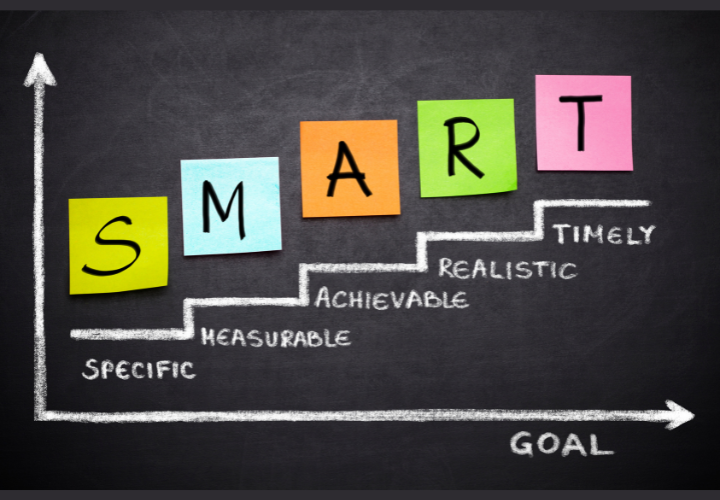
Instead of:
“How much can I change in 30 days?”
Ask:
“What habits can I still be doing five years from now?”
Long-term health is built quietly. It’s built through:
March 1 isn’t proof you failed.
It’s simply the moment where motivation fades — and real strategy begins.
And strategy, unlike motivation, doesn’t disappear.
Ready to get back on track and build lasting habits and sustainable change, join our 40 Day Reset Challenge starting on March 1st or better yet, sign up for our lifestyle program. A New You is ready to bloom this spring.

Dr. Jane Bowser is a certified health coach, nutritionist, and personal trainer, blending academic expertise with a passion for holistic wellness.