If you’ve spent any time in the wellness world lately, you’ve probably heard about red light therapy and infrared like they’re the new cool kids at school. They show up in sleek panels, glowing mats, handheld devices, and (if we’re being honest) some setups that look pretty sci-fi. But beneath the glow (pun intended!), there is real science at work.
So let’s break it down a bit without sacrificing the nerdy goodness that actually makes this stuff fascinating!
What Is Light Therapy?
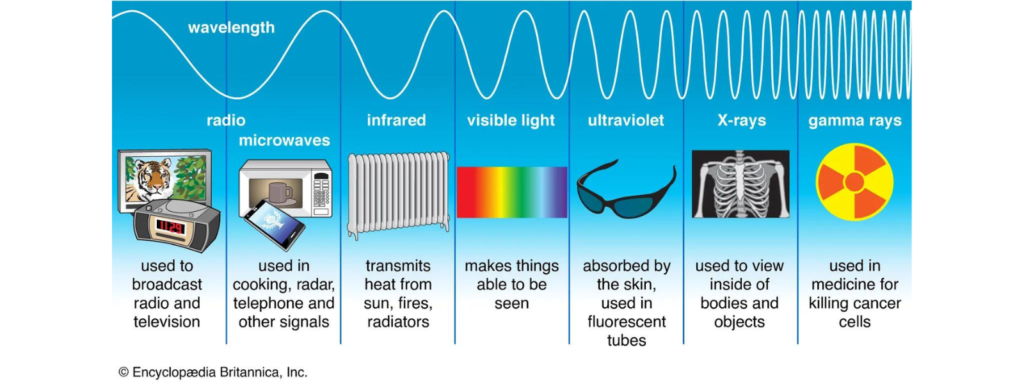
Light isn’t just what helps you find your keys in the dark. It’s a spectrum — a whole range of wavelengths, each with different properties and effects on the body.
Think of it like a piano. Visible light is only a handful of keys in the middle, while infrared stretches out into the deeper, lower notes you can’t see but can definitely feel.
Benefits of Red Light Therapy
Red light therapy typically uses wavelengths in the range of about 620–750 nanometers. This is visible light (you can actually see it glowing red).
What makes it interesting isn’t just its color, but what it does. Red light penetrates the skin at a relatively shallow depth, making it especially helpful for things like:
– Skin health and rejuvenation
– Surface-level inflammation
– Collagen production
– Wound healing
Benefits of Near-Infrared (NIR) Therapy
Near-infrared light sits just beyond what the human eye can see — roughly 750–1400 nanometers.
Even though it’s invisible, it’s doing a lot of behind-the-scenes work. NIR penetrates deeper into the body than red light, reaching muscles, joints, and even parts of the brain.
This is where things start to get interesting for:
– Muscle recovery
– Joint support
– Deeper tissue repair
– Neurological benefits
Benefits of Far-Infrared (FIR) Therapy
Far-infrared operates at much longer wavelengths (around 3000 nanometers and beyond), and this is where heat enters the chat.
Unlike red and near-infrared light, which work primarily through cellular signaling, far-infrared is more about thermal effects. It gently warms the body from the inside out.
This makes it especially useful for:
– Promoting circulation
– Relaxing muscles
– Supporting detoxification (through sweating)
– Nervous system calming
If red light is energizing and near-infrared is restorative, far-infrared is basically a cozy blanket that also happens to be biologically useful.
What Is Photobiomodulation?
Now for the science-y term that sounds like it belongs in a Marvel movie: photobiomodulation. At its core, it just means that light can influence how your cells behave. When certain wavelengths of light hit your body, they interact with components inside your cells — particularly your mitochondria. Ah yes, those mitochondria. The “powerhouses of the cell” you vaguely remember from biology class.
How Red Light and Infrared Therapy Support Healing
Mitochondrial Health & ATP Production
Your mitochondria produce ATP (adenosine triphosphate), which is essentially the energy currency your body uses for…well, everything.
When red and near-infrared light are absorbed, they stimulate an enzyme called cytochrome c oxidase within the mitochondria. This helps improve ATP production. More ATP = more cellular energy. And more cellular energy can mean:
– Faster healing
– Improved tissue repair
– Better overall function
It’s like giving your cells a really efficient cup of coffee (but without the jitters or the crash!)
Inflammation & Pain Support
Inflammation gets a bad reputation, but it’s not inherently evil. It’s your body’s way of responding to stress, injury, or infection. The problem is when it sticks around too long — like a guest who missed the hint that the party ended hours ago.
Red and near-infrared light have been shown to help modulate inflammation. Not by shutting it off completely, but by helping your body regulate it more appropriately.
This can translate into:
– Reduced pain
– Improved recovery
– Less tissue irritation
Circulation & Nitric Oxide
Let’s talk about circulation — the unsung hero of healing. One of the ways light therapy supports circulation is through the release of nitric oxide, a molecule that helps blood vessels relax and expand (a process called vasodilation).
Better circulation means:
– More oxygen delivered to tissues
– More nutrients reaching cells
– More efficient removal of waste products
In practical terms, this can support everything from muscle recovery to brain function.
Think of nitric oxide as a traffic controller, turning a chaotic and congested road into a smooth-flowing highway.
Recovery & Performance
This is often where light therapy goes from “interesting concept” to “wait, this actually works?”
By improving mitochondrial function, reducing inflammation, and enhancing circulation, red and infrared therapies can create an environment where the body heals more efficiently.
People often use these therapies for:
– Post-workout recovery
– Chronic pain support
– Joint stiffness
– Muscle soreness
It’s not about masking pain, but about supporting the underlying processes that help your body resolve it. So, while it’s not a magic wand, it can feel pretty close on days when your body is reminding you that you are, in fact, not 22 anymore!
Nervous System Regulation
Here’s something people don’t always expect: light therapy can also influence your nervous system.
Near-infrared light, in particular, has been studied for its effects on brain function and neurological health. Meanwhile, far-infrared’s gentle heat can help shift the body toward a more relaxed, parasympathetic state.
In plain terms, that means:
– Less stress response
– More calm
– Better recovery
It’s like helping your nervous system take its foot off the gas pedal and remember there’s also a brake. And in a world that constantly nudges us toward “go, go, go,” that’s no small thing.
Red Light vs Infrared: Which One Is Best?
This is usually the moment where someone asks, “Okay, but which one should I use?” The honest answer is: it depends on your goals.
– For skin and surface-level concerns: Red light shines (pun fully intended once again!)
– For deeper tissue and recovery: Near-infrared steps in
– For relaxation and circulation: Far-infrared brings the heat
But here’s the twist: Many of the best devices combine multiple wavelengths, giving you a layered effect rather than forcing you to pick just one. Because the body, as it turns out, is not a fan of one-size-fits-all solutions.
How MyHealth1st Uses Advanced Light Therapy to Support Whole-Body Wellness
At MyHealth1st, we believe one of the most exciting things about light therapy is that it is not a one-size-fits-all tool. Different wavelengths interact with the body in different ways — which is why choosing the right type of light often depends on your goals. Here are some of the technologies we recommend and why.
For Brain Health & Cognitive Wellness: WeberBrain® Laser Light Helmet
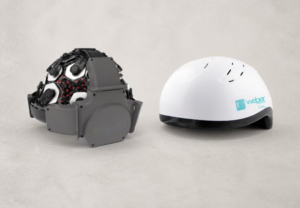
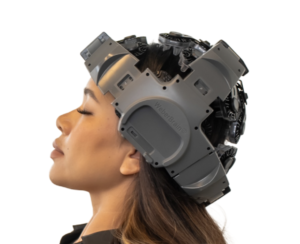
For more advanced neurological support, cognitive performance, and nervous system wellness, we are particularly excited about the WeberBrain® Laser Light Helmet. Unlike many standard red light devices, WeberBrain uses true laser diodes rather than LEDs, allowing for deeper, more targeted light delivery to brain tissue through transcranial photobiomodulation (tPBM). It incorporates the layered approach we discussed earlier in this article by utilizing three therapeutic wavelengths — 650 nm red light, 808 nm near-infrared light, and 1064 nm infrared light — supporting cellular energy production, circulation, neuroplasticity, and overall brain health at multiple tissue depths. Whether someone is focused on cognitive optimization, brain fog, mood support, neurological recovery, or proactive brain aging, this is one of the most exciting non-invasive technologies we’ve encountered.
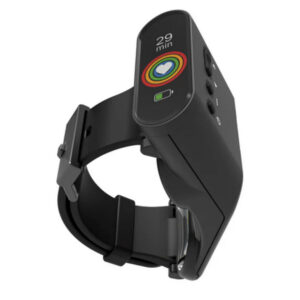
For Flexible, Targeted Light Therapy: Weber EndoLight Band
For individuals looking for portable, flexible light therapy, the Weber EndoLight Band offers a unique wearable approach to low-level laser therapy (LLLT). This compact device uses multiple therapeutic wavelengths — including red, blue, green, yellow, and infrared light — allowing for targeted support depending on the body system or wellness goal being addressed. Because it is wearable and easy to integrate into daily life, many people appreciate it as an accessible option for recovery, circulation support, energy, and localized wellness applications.
For Whole-Body Photobiomodulation: Weber Light Mats
For broader whole-body photobiomodulation, we also recommend Weber Light Mats, which combine 660 nm red light and 850 nm near-infrared light using dual-wavelength LED technology. These mats provide an easy, relaxing way to support the body at both the surface and deeper tissue level — helping encourage circulation, recovery, inflammation modulation, tissue repair, skin health, and cellular energy production. Whether used for localized concerns or whole-body wellness support, they offer a simple way to bring clinical-grade light therapy into everyday life.
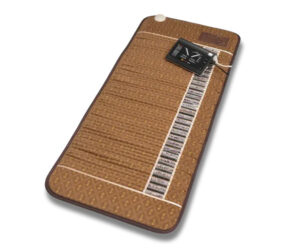
For Relaxation & Nervous System Recovery: BioMats by Richway
When the goal is deeper relaxation, nervous system calming, and restorative recovery, we also love BioMats by Richway. Rather than focusing primarily on photobiomodulation, BioMats combine far-infrared heat therapy with negative ion technology to create a deeply restorative wellness experience. Far-infrared wavelengths help gently warm the body from the inside out, supporting circulation, muscle relaxation, and recovery, while negative ions may help promote a greater sense of calm and overall well-being. For many people, it feels less like a treatment and more like giving the nervous system permission to finally exhale.
Bringing It All Together
The truth is, healing is rarely about a single magic tool. Sometimes the body benefits from stimulation and repair. Other times, it needs restoration and regulation. Often, the best results come from thoughtfully layering therapies together.
At MyHealth1st, our philosophy has always been health from the inside out and outside in — using science-backed, non-invasive therapies that support your body’s natural ability to heal, regulate, and thrive.
Interested in Advanced Light Therapy?
If you’re curious about how these therapies could fit into your wellness routine — or if you’re ready to bring one of these devices into your home — we’d love to help.
Reach out to us to learn more, ask questions, or explore your options. Whether you’re looking to support recovery, reduce discomfort, or simply give your body a little extra love, these tools can be a powerful addition to your health journey.
Erin Paly
Erin is a National Board Certified and Functional Medicine Certified Health Coach with a passion for fitness, holistic wellness, and ethical food production.