Pain and injury
Chronic joint or muscle pain, tendon or ligament injuries, inflammation, slow recovery, or an acute injury affecting daily life.


Physician-guided peptide care
Interested in peptides for pain, injury recovery, physical performance, skin, hair, energy, or healthy aging? MyHealth1st helps you understand your options and build a thoughtful plan around your health, goals, and current medical needs.
In-person and telemedicine visits are available when appropriate. Treatment options depend on individual needs, clinical judgment, current evidence, and medication availability.
Small signals. Specific jobs.
Peptides are short chains of amino acids that help carry messages throughout the body. Your body naturally uses peptides to coordinate processes involving growth, repair, metabolism, immune activity, skin health, and many other functions.
Certain peptide medications and compounded formulations are designed to influence specific signaling pathways. The appropriate option depends on what you are trying to address, your health history, laboratory findings, and what is currently available.
The online peptide world can be noisy. We help you move beyond trends, "research use only" products, and one-size-fits-all protocols to understand what may actually make sense for you.
Treatment built around the goal
Different concerns call for different strategies. We begin with what you want to improve and what may be standing in the way.
Chronic joint or muscle pain, tendon or ligament injuries, inflammation, slow recovery, or an acute injury affecting daily life.
Recovery, sleep, lean muscle preservation, body composition, energy, and physical performance, including sermorelin when appropriate.
Topical GHK-Cu and copper peptide formulations coordinated with prescription skincare, microneedling, PRF, or a personalized hair plan.
A broader plan for maintaining strength, resilience, recovery, and quality of life as health needs change.
Popular questions, personalized answers
BPC-157, TB-500, the Wolverine Stack, the Glow Stack, GHK-Cu, copper peptides, and sermorelin are among the names patients ask about most often.
Discuss Your GoalsBPC-157 and TB-500 are two of the most searched regenerative peptides. Patients commonly explore them for injury recovery, tendon or ligament concerns, joint and muscle health, tissue repair, and recovery from physical training.
Interest is growing quickly, but the human evidence and regulatory landscape continue to evolve. We help patients understand what is known, what remains uncertain, what is currently available, and whether another regenerative treatment may offer a better path.
The "Wolverine Stack" is the informal name commonly used for combining BPC-157 and TB-500. It has become popular among athletes, active adults, and people looking for additional support after an injury or during a difficult recovery.
Interest in the Wolverine Stack is a starting point for a clinical conversation, not an automatic prescription. We evaluate the injury, prior treatment, health history, current evidence, medication availability, and complementary options before recommending a plan.
The "Glow Stack" typically refers to GHK-Cu, BPC-157, and TB-500. It is commonly promoted online for skin quality, hair support, tissue repair, and recovery.
The name may sound like one established treatment, but formulations and delivery methods vary. Injectable GHK-Cu is also different from the topical copper peptide formulations used in prescription skincare. We help determine which route, ingredients, and overall strategy make sense for the individual goal.
Sermorelin signals the pituitary gland to release growth hormone rather than supplying growth hormone directly. Patients commonly explore it for recovery, sleep, energy, lean muscle support, body composition, and gym performance.
Candidacy should be based on medical history, symptoms, relevant laboratory findings, goals, and appropriate monitoring, not on age or fitness goals alone.
Important: Informal "stack" names do not represent one standardized medical formula. Peptide evidence, legal status, compounding availability, formulation, and safety considerations vary by molecule and route.
Copper peptides for skin and hair
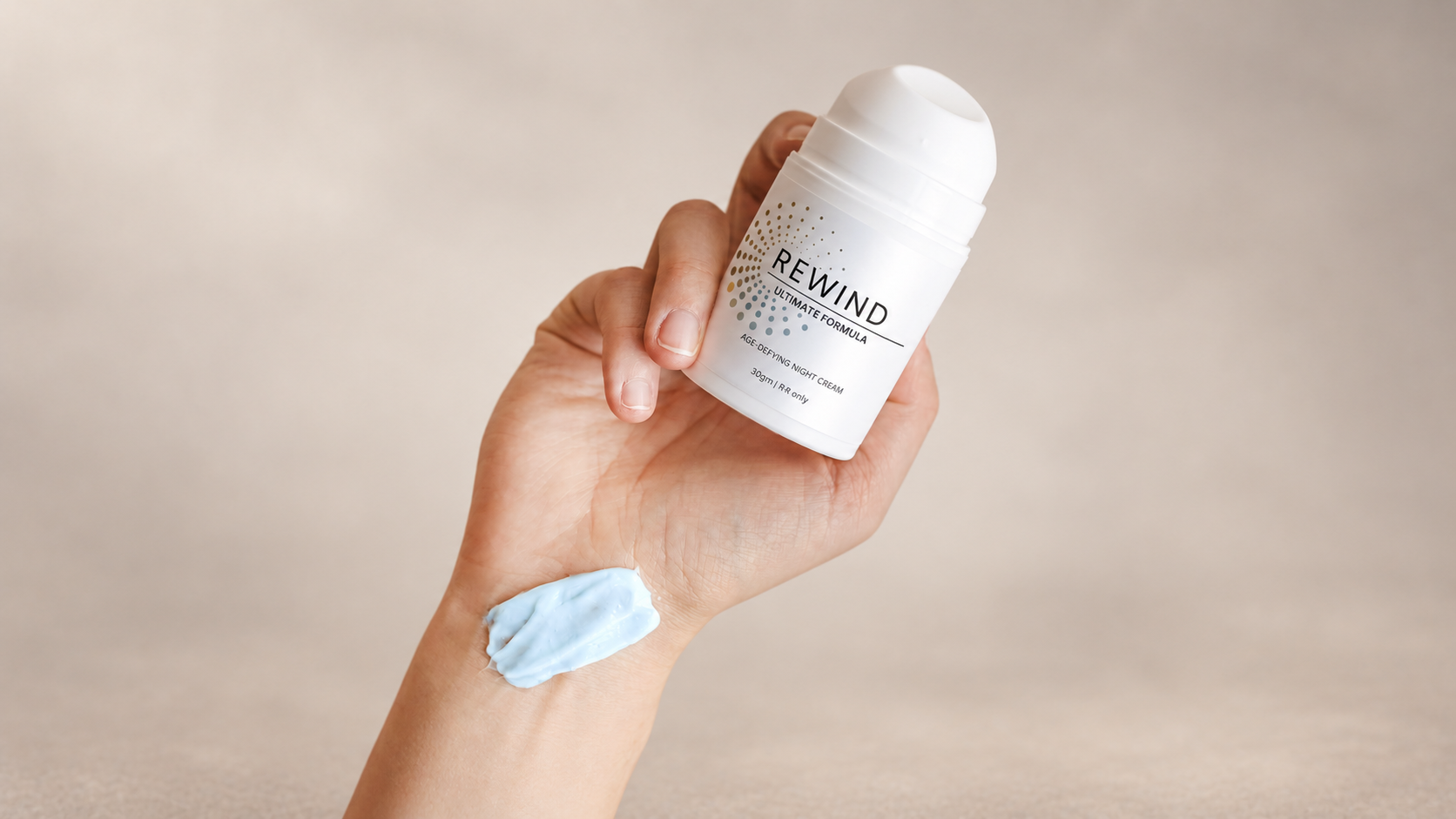
GHK-Cu is a copper-binding peptide used in regenerative skin and hair formulations. Depending on the patient, a custom topical formula may combine GHK-Cu with ingredients such as tretinoin, hyaluronic acid, DMAE, or estriol to address skin texture, hydration, firmness, and visible signs of aging.
Recovery and performance
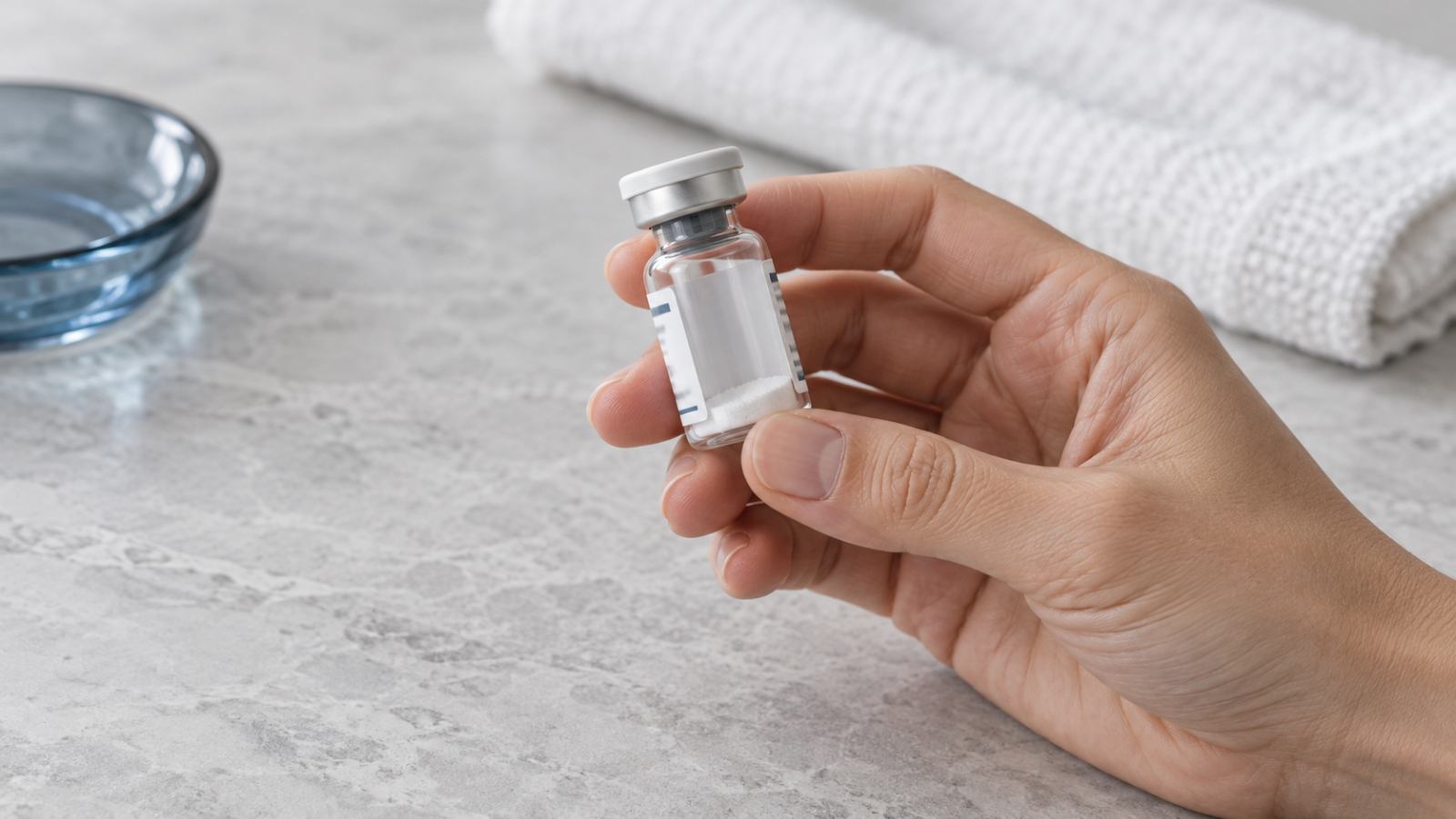
Sermorelin may be considered within a broader approach to recovery, sleep, energy, lean muscle, body composition, and training performance. Relevant symptoms, laboratory findings, health history, and follow-up guide the decision.
More than a peptide clinic
A peptide may be useful, but it cannot correct every reason someone is hurting, exhausted, recovering slowly, losing muscle, or struggling with their skin.
We may also evaluate hormones, nutrient status, thyroid function, inflammation, metabolism, sleep, nutrition, movement, and other factors influencing the same outcome. Your plan may include peptide therapy, but it may also include prescription skincare, supplementation, hormone support, nutrition, light therapy, regenerative treatments, or an appropriate referral.
This helps us identify an effective use of your time and resources instead of stacking treatments without understanding the larger picture.
Understand the problem, what has already been tried, and what improvement would meaningfully change daily life.
Use history, examination, imaging, biomarkers, and clinical judgment where they can clarify the path forward.
Consider peptide therapy alongside complementary treatments rather than assuming more interventions are better.
Follow symptoms, function, laboratory findings, and treatment response so the plan can change when needed.
Focused care or a broader evaluation
You do not need to select a peptide before your first conversation. We will help identify the most appropriate starting pathway.
For chronic pain, acute injuries, tendon or ligament concerns, joint or muscle problems, inflammation, and slow recovery.
For copper peptides, prescription skincare, skin rejuvenation, hair support, microneedling, PRF, and other regenerative aesthetic options.
A 60+ biomarker view of energy, performance, recovery, body composition, hormones, metabolism, nutrients, and long-term health.
For complex symptoms, chronic health concerns, multiple contributing factors, or problems that have not responded to simpler approaches.
Thoughtful prescribing
When a compounded peptide prescription is clinically appropriate and legally available, we work with established U.S. compounding pharmacies rather than directing patients to online "research peptide" sellers.
We discuss how the medication is prepared, how it should be stored and used, potential risks, realistic expectations, and what follow-up is needed. Because compounded medications are not FDA-approved, evidence, quality considerations, and availability vary by medication. We believe those limitations should be discussed openly.
Recommendations begin with the patient, not a menu of popular peptides.
Prescriptions are routed through reputable U.S. compounding pharmacies.
Patients receive guidance on administration, storage, expectations, and questions that should prompt a call.
Response, tolerance, function, symptoms, and relevant measurements guide continued treatment.
Frequently asked questions
These answers cover the practical basics before your discovery call.
Peptides are short chains of amino acids that participate in signaling throughout the body. Peptide therapy uses a specific medication or formulation to influence a selected pathway. The purpose, route, evidence, and monitoring vary considerably from one peptide to another.
We evaluate patients who are interested in BPC-157, TB-500, and other regenerative peptides, but no medication is prescribed automatically. Recommendations depend on your health history, treatment goals, current evidence, regulatory status, pharmacy availability, and whether another approach may be more appropriate.
We evaluate patients asking about the Wolverine Stack, Glow Stack, and their individual components. These informal names do not represent one standardized medical formula. We may recommend a combination, one component, a topical formulation, another regenerative therapy, or a broader health evaluation depending on the individual situation and current availability.
No. Depending on the therapy, peptides may be administered by injection or incorporated into topical, oral, or other prescription formulations. Your provider will explain the appropriate route and how to use it.
When compounded treatment is appropriate, prescriptions are filled by established U.S. compounding pharmacies. We do not recommend purchasing products labeled "research use only" for self-treatment.
No medication or procedure is risk-free. Safety considerations differ substantially among peptides, and some have much more human evidence than others. Your provider will review potential benefits, limitations, side effects, uncertainties, and monitoring before recommending treatment.
Yes. Peptides are often most useful within a broader plan that may include nutrition, rehabilitation, supplements, hormone optimization, prescription skincare, light therapy, regenerative procedures, sleep support, or other targeted care.
Phone and Zoom visits are available when clinically and legally appropriate. Certain examinations, procedures, or treatments may require an appointment at our Winston-Salem office.
Begin with a conversation
You do not need to know which peptide, consultation, or health assessment is right for you. Tell our New Patient Coordinator what you want to address, and we will help you understand the most appropriate next step.